
Gambler Protection Measures and Safeguards in Book of Tut Megaways Slot for UK
User security is a fundamental requirement in digital gaming, not just an additional feature https://bookof.eu.com/book-of-tut-megaways/. Looking at the Book of Tut Megaways slot, its attraction goes beyond the Egyptian theme and the Megaways engine. For players in the United Kingdom, that fun rests on a solid framework of protection systems designed to create a protected and just environment. This article reviews those particular security protocols. We’ll examine licensing, the rules operators must follow, and the system-level security built into the platform. The aim is to describe how these systems work in practice, giving players the transparency they need. We will see how game providers, operators, and independent auditors work together to build a layered protection against risks. This ensures the game’s fun is complemented by a real commitment to responsible play.
Understanding the UK Regulatory Framework
The first and toughest tier of security for anyone playing Book of Tut Megaways in the UK comes from the UK Gambling Commission (UKGC). This organisation establishes the yardstick for how operators should act. Any site providing this slot in a legal manner must possess a current UKGC licence. The Commission’s rules are comprehensive. They cover game fairness, stopping money laundering, securing player money, and encouraging responsible gambling. For a slot like Book of Tut Megaways, this means its Random Number Generator (RNG) must be verified. The advertised return-to-player (RTP) percentage must be accurate and verifiable. All promotional terms must be transparent and truthful. The UKGC also forces operators to conduct strict age and identity checks, a system called Know Your Customer (KYC), before a player can make a deposit or cash out. This regulatory landscape is not fixed. It evolves to address new issues, guaranteeing player protection is constantly reviewed and strengthened against fresh online threats.
Licence requirements and Gaming operator Responsibility
A UK user playing the slots of Book of Tut Megaways interacts directly with the casino operator hosting the game. The casino’s UKGC licence is the key guarantee of accountability. This licence obliges the casino to keep client money separate from its own business accounts. That protects client deposits if the company faces insolvency. Licensed operators must also use games from well-known software providers, like the maker of Book of Tut Megaways, who have passed their own checks. This regulation makes the site obliged for establishing the practical safety tools we’ll discuss next, such as deposit caps and voluntary bans. Importantly, it gives customers a formal path for grievances. In case a conflict cannot be settled with the casino directly, the player can take it to the UKGC or an independent Alternative Dispute Resolution (ADR) service. This structure of oversight, from gaming authority to casino to software developer, creates a secure gaming space. The excitement of the game is supported by rigorous professional obligations.
Game Integrity and Random Number Verification
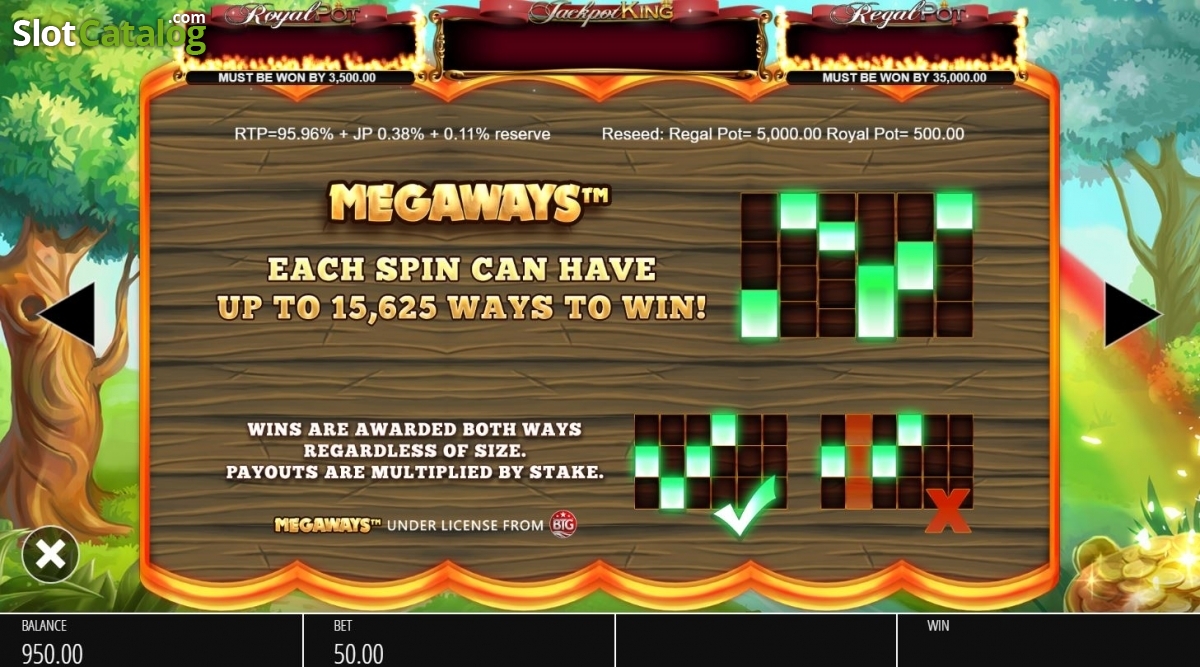
Player trust in any slot machine, Book of Tut Megaways included, originates from the assurance that every spin is arbitrary and just. This reliability comes from a certified Random Number Generator (RNG). An RNG is a complex algorithm that produces random number sequences every millisecond. These numbers decide the exact symbol combination that shows up when you hit spin. For a UKGC-licensed operator, this RNG must be examined and validated by an unbiased auditor. Firms like eCOGRA, iTech Labs, or GLI handle this work. Examiners run the RNG through countless of simulated spins to verify its randomness. They also confirm that the game’s published theoretical Return to Player (RTP) is precise. For Book of Tut Megaways, this RTP is typically around 96%. Validation is not a single event. It is re-tested periodically to ensure ongoing compliance. Gamblers can therefore be confident the game is not fixed. The impressive Megaways feature, which can offer over 117,649 ways to win, functions on a framework of provable mathematical fairness.
Safe Gaming Tools and User Limits
Making sure the game is fair is an important factor. Empowering players to control their own activity is a fundamental element of protection. UKGC-licensed sites offering Book of Tut Megaways must provide a set of useful tools within each player’s account. These include maximum deposit amounts. A player can define a maximum amount they are permitted to add each day, week, or month. Loss caps and wager restrictions work in a similar way, restricting total losses or total bets within a selected period. Additional key tools are reality checks and playtime alarms. These are popup messages that appear after a set time of ongoing activity. Players can also pause briefly using temporary time-out periods. For greater concerns, the option of account closure is available. This prevents login for a period of at least six months. These tools are readily accessible. Operators actively promote them and present them clearly. This reflects a change in industry thinking towards harm reduction, giving players the control to establish personal limits.
Age Validation and Identity Screening
Preventing underage gambling is a fundamental, mandatory protection rule in the UK. Before a user can make a deposit, claim a bonus, or play Book of Tut Megaways, the operator must confirm the customer is at least 18 years old. This step belongs to the broader Know Your Customer (KYC) procedures. This is considerably tougher than ticking a box. Operators commonly rely on electronic verification services. These verify the details a player provides (identity, residence, DOB) against trusted systems like the electoral roll and credit reporting agencies. If digital verification is insufficient, the platform will request identification. This usually means a passport or driving licence for age and full name, as well as a current utility bill or bank statement to verify address. This tough identification process serves main purposes. It acts as a solid barrier against underage play, and it helps prevent fraud, money laundering, and identity theft. It may introduce a small wait to account creation, but it is a vital screening process. It safeguards vulnerable people and enhances the security of the financial ecosystem for every honest player.
Data Protection and Fund Security
Playing Book of Tut Megaways via the web entails providing private personal and monetary details. Keeping this data secure is of utmost importance for licensed operators. To achieve this, they use standard encryption technology. In particular, Secure Socket Layer (SSL) or Transport Layer Security (TLS) encryption encodes any data sent between your device and the casino’s servers. This ensures it is indecipherable to anyone trying to intercept it. It is the same level of security employed by large banks and e-commerce sites. Financial protection also extends to the payment methods themselves. Reliable casino sites offer trusted options including credit and debit cards, e-wallets like PayPal and Skrill, and bank transfers. All of these are processed through secure gateways. Certain operators also support «deposit by bank» services such as Trustly. These enable you to send money without giving your bank details to the casino site. Together, these measures mean players can concentrate on the gameplay, confident their private data and money are handled with strong cyber-security.
Fair Marketing and Clear Rules
Player protection starts with knowing what you are committing to. The UKGC enforces stringent guidelines on how games like Book of Tut Megaways can be advertised. All promotional material, whether for a offer or a game feature, must be unambiguous, just, and sincere. This means any bonus offer must have terms and conditions that are easy to find, simple to comprehend, and not hidden in fine print. For example, if a bonus is provided for Book of Tut Megaways, the betting conditions must be plainly indicated. So must the game weightings (which might exclude some games or limit their contribution), the expiry dates, and the betting limits while using the bonus. Ads cannot imply that gambling solves financial issues or is an integral part of one’s lifestyle. This control over promotion assures players are attracted by the real enjoyment of the game’s theme and mechanics, like the expanding Tutankhamun symbol. They are not drawn in by overblown promises, which results in improved and longer-lasting involvement.
Assistance Frameworks and Gambling Addiction Support
Despite all the safety measures, some people may still experience difficulties with gambling. A key part of the UK’s regulatory structure is offering direct support and clear referrals to professional help. Licensed operators must include links to specialist organisations on their platforms. These include GamCare, Gamblers Anonymous, and the National Gambling Helpline. These groups provide confidential advice, support, and counselling. Operators also prepare their customer service staff to identify signs of problem behaviour and to manage conversations with sensitivity. Many sites feature self-assessment tests that help players judge their own habits. This support network acknowledges that safety is a full-picture concept. It blends automated tools with human-centred resources. It guarantees any player who feels their time with Book of Tut Megaways is turning negative has immediate, free, and expert places to turn. This reinforces the idea that player welfare is the top focus.
FAQ
Is playing Book of Tut Megaways safe to play at UK online casinos?
Certainly, but only if you gamble at a casino with a valid UK Gambling Commission (UKGC) licence. This licence ensures the game uses a certified Random Number Generator for fairness, your money is secured, and the operator provides responsible gambling tools like deposit limits and self-exclusion. Always confirm the licence before you deposit.
By what method can I confirm if an online casino is licensed by the UKGC?
Navigate to the very bottom of the casino website’s homepage. You should spot a UK Gambling Commission logo, usually with a licence number (for example, 000-000000-00). Tapping this logo should send you straight to the official UKGC public register where you can confirm the licence is genuine and current. This is the most dependable way to authenticate.
What kind of responsible gambling tools are accessible for this slot?
UKGC-licensed operators must provide tools including deposit, loss, and wagering limits, session time reminders, and temporary time-outs. You can also enrol for full self-exclusion via GAMSTOP. This blocks you from all UK-licensed gambling sites for a period you choose. You’ll locate these tools in your account settings, and they are at no cost to use.
By what process does the casino authenticate my age and identity?
When you sign up, the casino executes an automated verification against public databases. If this doesn’t work, they will request you to upload proof. Typically, you’ll need a photo ID like a passport card or driving permit for identity and age, and a current household bill or bank record for your residence. This step is mandatory and assists in preventing minors from accessing and scams.
Is my personal and financial information safe?
Trustworthy UK casinos utilize cutting-edge SSL/TLS encryption. This is the same system online banks use. It scrambles all details transmitted between your device and their servers, safeguarding your details and payment information from third parties.
How should I proceed if I believe I have a gambling issue?
Use the casino’s tools straight away to place limits or exclude yourself. Contact GamCare (www.gamcare.org.uk) or call the National Gambling Helpline on 0808 8020 133. They give no-cost, discreet counseling and help. You will commonly see links to these resources on the casino site within areas labeled «Responsible Gambling» or «Stay in Control».
Can I rely on the fairness of the Book of Tut Megaways game system?
Yes, you can. The game’s random number generator is independently tested and certified by testing agencies such as eCOGRA or iTech Labs. This confirms every round is random and fair. The published Return to Player (RTP) percentage is also validated, proving the game’s statistical fairness over the long term.
